Rafi Ahammed
Research Scholar
Dr B R Ambedkar National Institute of Technology, Jalandhar, Punjab, India
Email Id – textileandapparelinsights@gmail.com
Introduction
The convergence of textile engineering and electronics has ushered in a transformative era where everyday clothing becomes intelligent, interactive, and responsive to our needs. Smart textiles, also known as electronic textiles or e-textiles, represent a revolutionary shift from passive fabric materials to dynamic systems capable of sensing, responding, and adapting to environmental and physiological changes. As we navigate through 2025, these innovative materials are no longer confined to research laboratories but are rapidly entering mainstream applications, fundamentally reshaping our relationship with wearable technology and comfort.
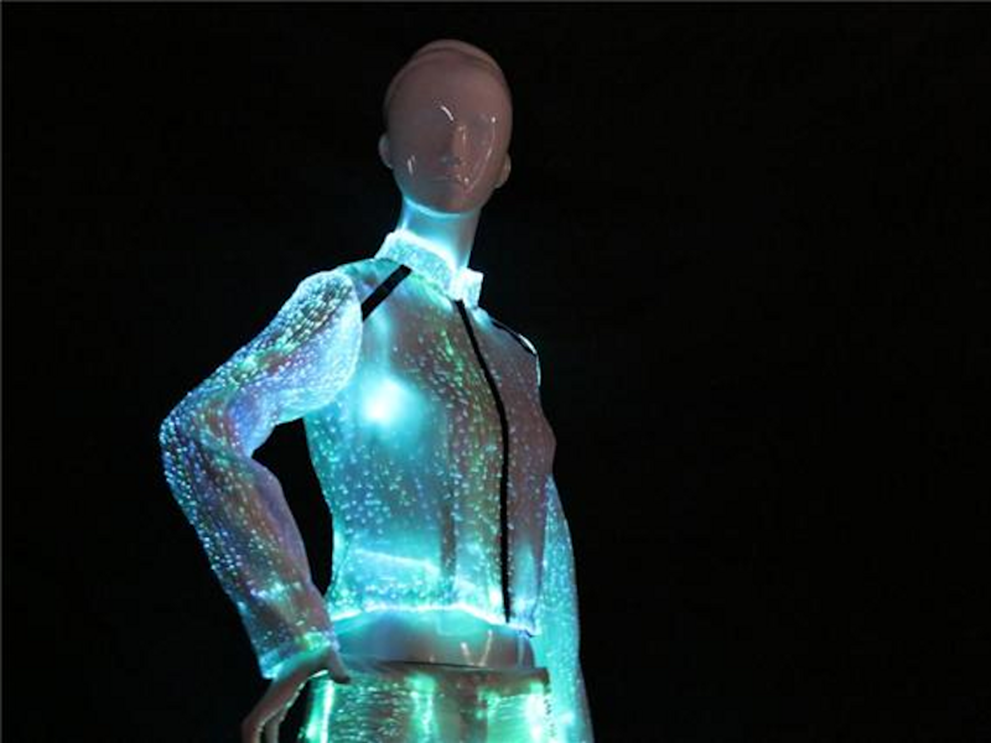
The global smart textiles market is experiencing remarkable growth, valued at approximately $3,672 million in 2022 and projected to reach $721.8 million by 2031, reflecting a compound annual growth rate of 27.4%. This explosive expansion is driven by technological breakthroughs in material science, increasing consumer demand for wearable electronics, and expanding applications across healthcare, sports, defense, and fashion industries. The integration of electronic functionality into textiles offers a unique advantage over rigid wearable devices: seamless integration with our daily lives while maintaining the comfort, breathability, and flexibility that characterize traditional fabrics.
The Evolution of Smart Textile Technology
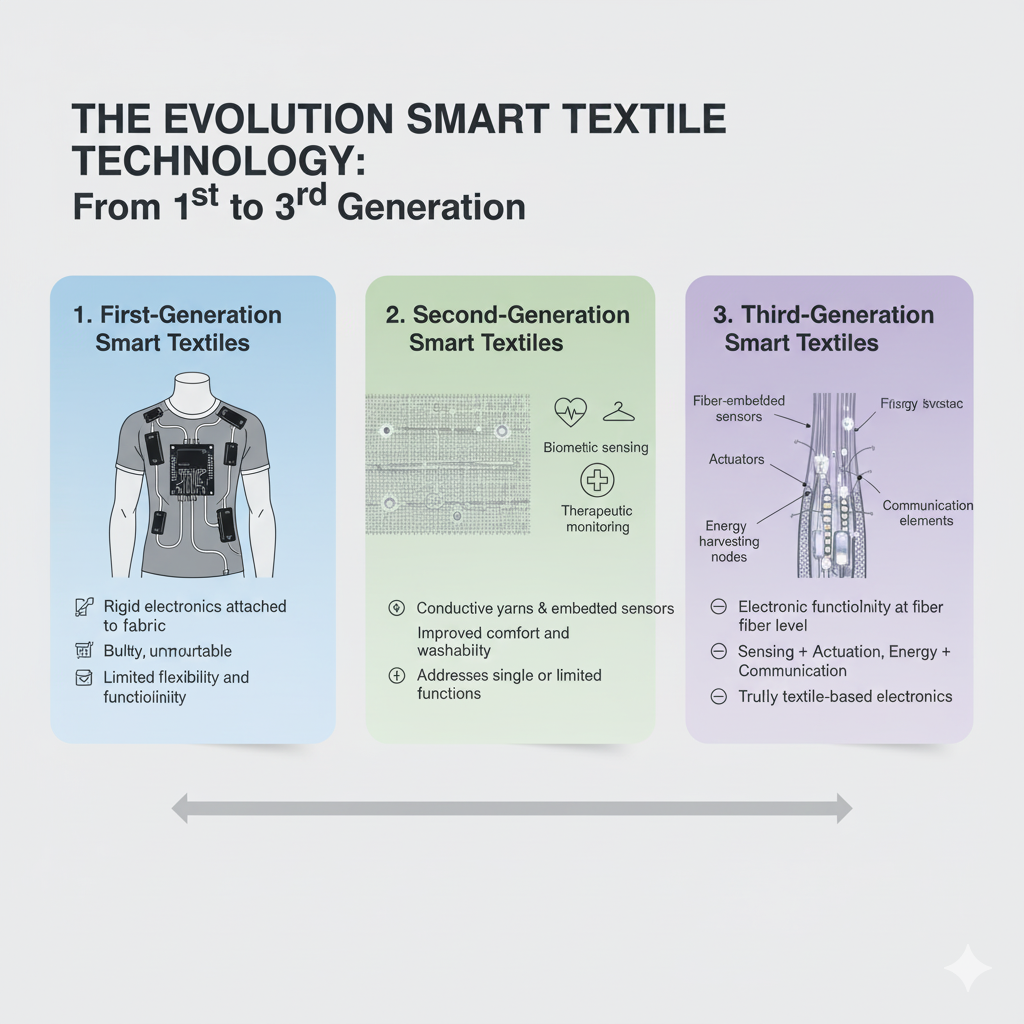
Smart textiles have evolved through distinct generations, each building upon previous innovations to create increasingly sophisticated systems. First-generation smart textiles primarily involved attaching conventional electronic components to fabric substrates, resulting in bulky and uncomfortable garments with limited functionality. These early attempts, while groundbreaking, suffered from poor washability, restricted flexibility, and inadequate integration with the textile structure itself.
Second-generation e-textiles marked a significant advancement by developing functional yarns using integration techniques that addressed challenges related to comfort, flexibility, and washability. These textiles incorporated conductive threads, sensors embedded within the fabric structure, and improved methods for maintaining electronic functionality after repeated washing cycles. Applications expanded to include fashion aesthetics, biometric monitoring, and therapeutic interventions, though these systems typically addressed single or limited problems.
The current third-generation smart textiles represent a paradigm shift toward true textile-based electronics, where functionality is achieved at the fiber level itself. These advanced materials incorporate electronic capabilities directly into the textile structure, freeing electronic systems from rigidity and encapsulation while enabling close integration with our daily lives. Third-generation e-textiles feature integrated multi-functionality, combining sensing, actuation, communication, and energy harvesting capabilities within a single seamless fabric system.
Core Technologies Enabling Smart Textiles
Conductive Materials and Nanomaterials
The foundation of smart textiles lies in the development of conductive materials that can be integrated into fiber structures without compromising textile properties. Carbon-based nanomaterials, particularly carbon nanotubes (CNTs) and graphene, have emerged as critical components for creating electrically conductive fabrics.
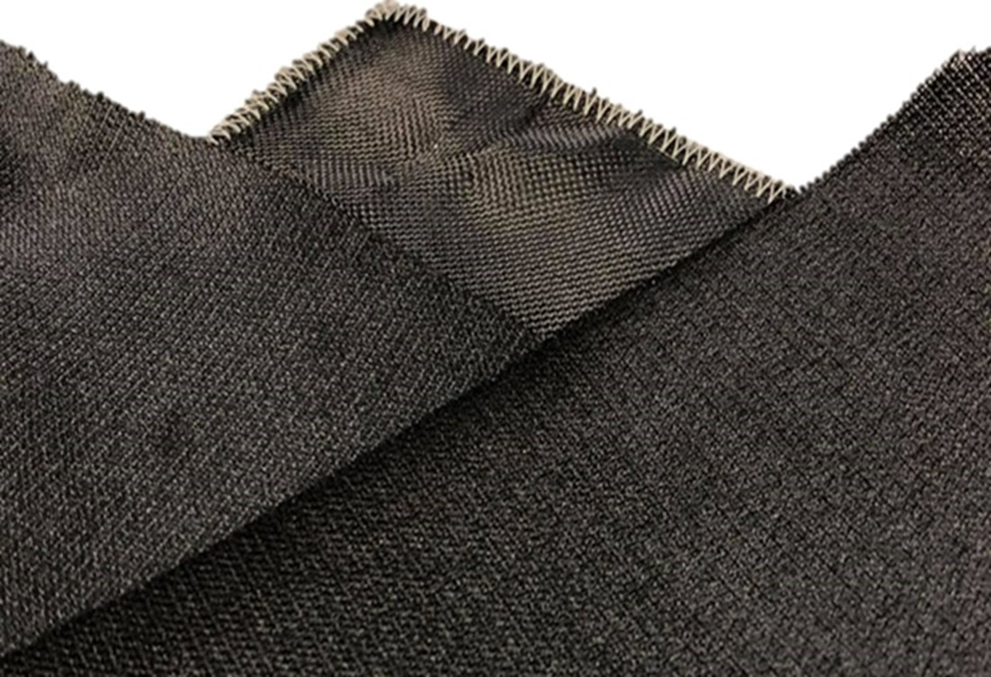
Carbon nanotubes possess exceptional electrical conductivity of up to 106 siemens per meter (S/m), making them ideal for creating conductive fabrics for electronic applications. Researchers have successfully incorporated CNTs into textile fibres through various methods, including coating, embedding, and weaving, enabling fabrics to carry electrical signals while maintaining flexibility and durability. A notable example includes carbon nanotube-coated Kevlar fibres achieving conductivity of 65 S/cm without significant mechanical degradation, demonstrating potential for use in wearable electronics and battery-heated protective clothing.
Graphene, a monoatomic carbon layer, represents another revolutionary material for smart textiles due to its status as the strongest known material, combined with exceptional electrical and thermal conductivity, mechanical flexibility, and transparency. Studies have demonstrated successful transfer of monolayer graphene to various textile fibres, including polypropylene, polylactic acid, polyethene, and nylon, achieving sheet resistance values as low as 600 Ω/sq and 1 kΩ/sq. The graphene-coated fibres maintain high conductivity equivalent to transfer onto silicon substrates while reducing optical transparency by only 2.3% and maintaining stability under mechanical stress.
Recent innovations include graphene nanotube-enhanced PET fibres that exhibit stable electrical resistances of 10^5~10^6 Ω/cm and 10^2~10^3 Ω/cm, while retaining flexibility, colour vibrancy, and hypoallergenic properties. The ultralong structure of graphene nanotubes allows the formation of a three-dimensional network throughout the fibre volume, ensuring uniform conductivity across the entire fabric without carbon release, enhancing anti-static and electromagnetic interference protection.
Sensing Technologies
Smart textiles employ multiple sensing mechanisms to detect and respond to various stimuli. The four primary sensing modalities include capacitive, triboelectric, piezoelectric, and piezoresistive effects, each offering unique advantages for specific applications.
Capacitive sensors detect changes in capacitance resulting from structural deformation due to applied pressure, typically consisting of two conductive layers separated by a dielectric material within the textile substrate. Triboelectric sensors utilize the triboelectric effect, generating electrical charges through contact and separation of different materials. Piezoelectric sensors convert mechanical stress into electrical signals, while piezoresistive sensors detect shifts in electrical resistance and capacitance resulting from geometric changes caused by external pressure.
A groundbreaking example of advanced sensing technology is Google’s Jacquard technology, which incorporates conductive fibers woven into fabric to transform textiles into flexible electronic touch interfaces capable of remotely controlling electronic devices. This innovation introduced a novel paradigm for tactile interaction in haptic e-textiles, enabling users to control smartphones, computers, and other devices through simple touch gestures on their clothing.
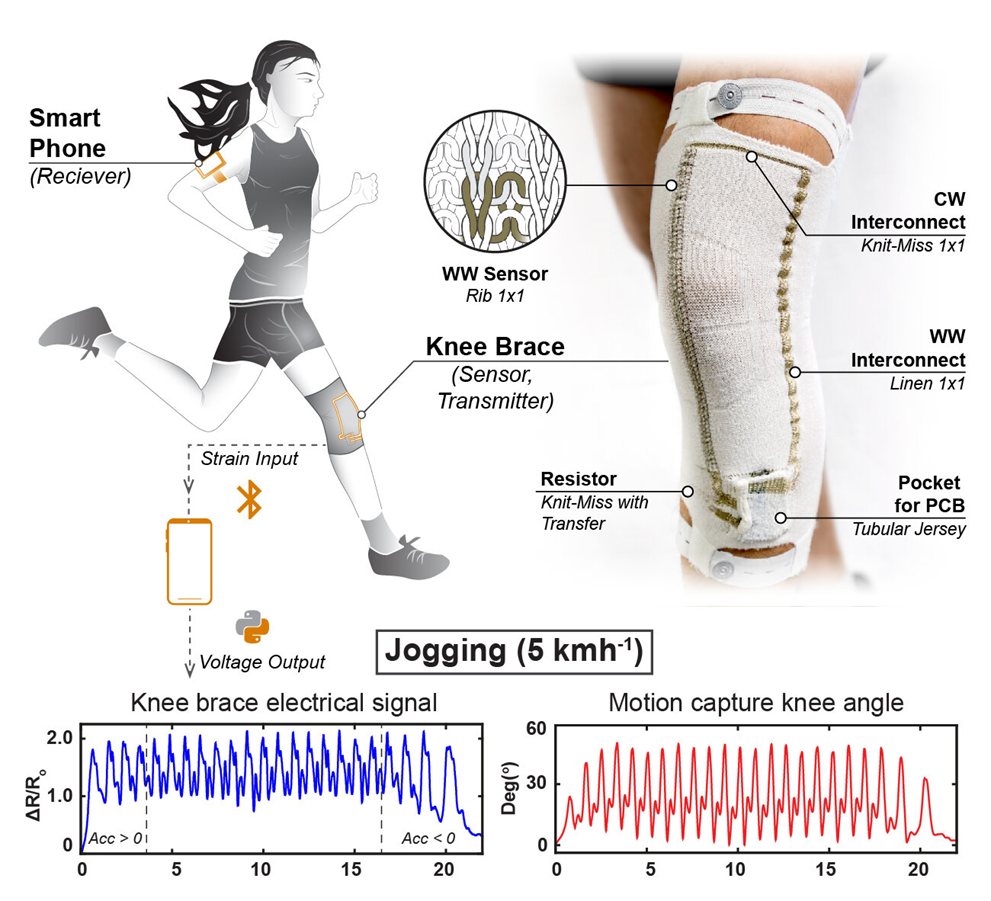
Recent research published in npj Flexible Electronics in 2025 provides detailed insights into sensory interactive fibres and textiles, outlining functional fibres capable of achieving sensory interactive functions and categorising system integration technologies. The study defines three typical development generations of intelligent e-textiles and proposes a novel design paradigm applicable to sensory interactive e-textiles, emphasising the integration of electronic functions into traditional textiles to broaden application boundaries and provide new possibilities for intelligent interaction between clothing, individuals, and the environment.
Shape Memory and Thermoregulation
Shape memory textiles (SMTs) represent an exciting frontier in smart fabrics, featuring materials that react to environmental triggers such as temperature and light. These textiles can automatically adjust their properties in response to changing conditions—for example, a coat that increases insulation when ambient temperature drops, providing both practical functionality and style.
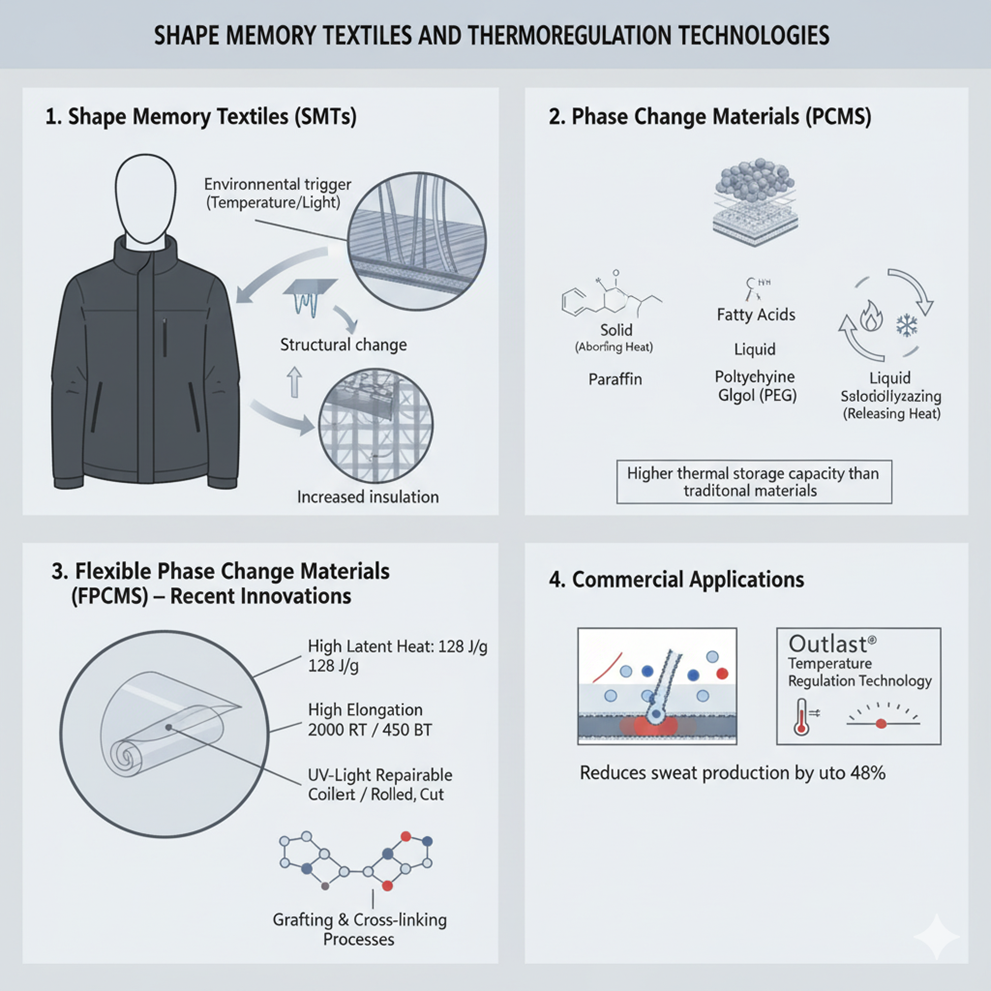
Phase change materials (PCMs) have emerged as transformative solutions for personal thermal management by dynamically regulating body temperature through heat absorption and release. Organic PCMs, including paraffin, fatty acids, and polyethylene glycol, are particularly noted for providing extended thermal comfort in various environments and activities within wearable technology. The thermal storage capacity of PCMs significantly exceeds that of traditional materials, enabling prolonged and stable temperature maintenance, which is particularly beneficial in wearable technologies where comfort and performance are crucial.
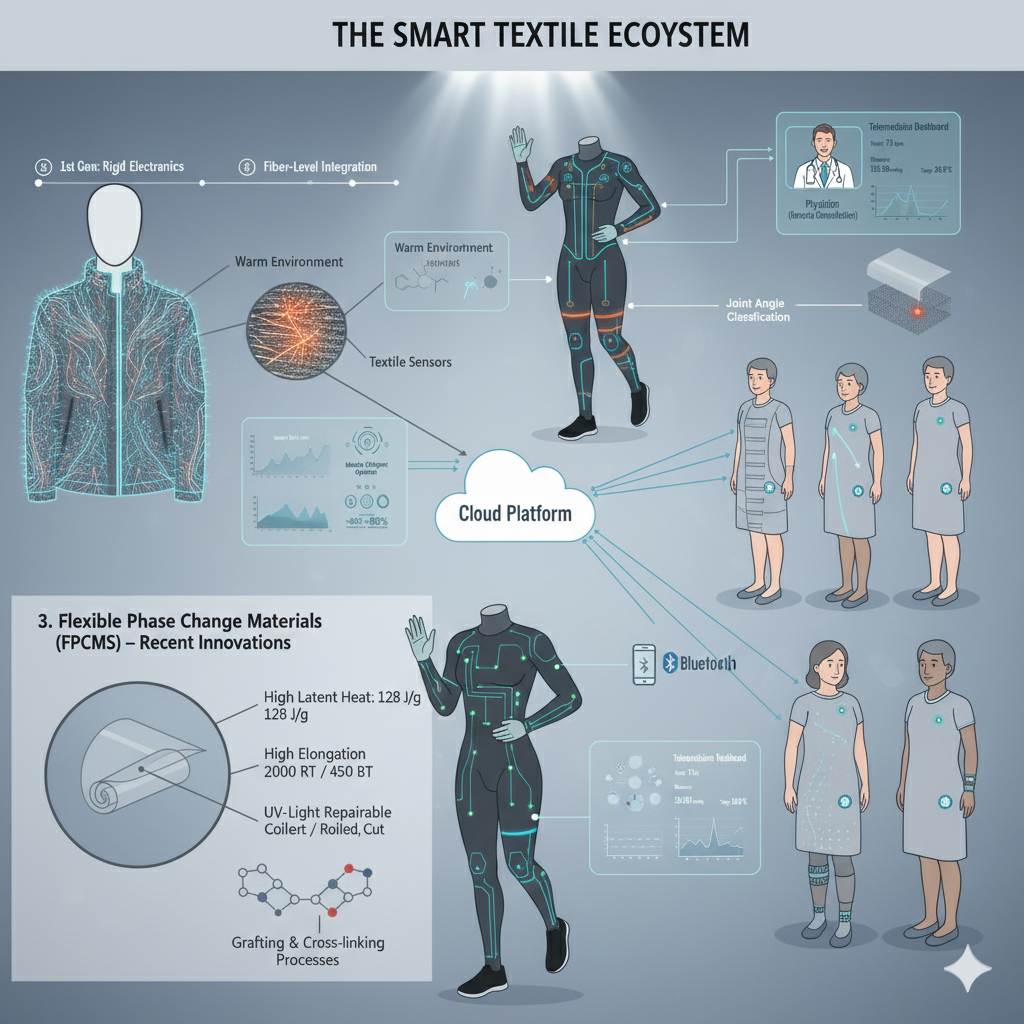
Recent innovations address traditional PCM challenges such as low thermal conductivity and leakage during phase transitions. Researchers have developed flexible phase change materials (FPCMs) that combine phase change functionality with flexibility, offering advantages such as easy assembly, strong impact resistance, and low interfacial thermal resistance. A 2025 study published in ACS Publications describes wearable thermal energy storage polymeric materials created through grafting and cross-linking processes, achieving excellent latent heat (128.0 J/g) and elongation values exceeding 200% at room temperature and 450% at body temperature. These materials can be freely coiled, rolled, cut, and repaired with UV light, demonstrating remarkable versatility.
Commercial implementations include Outlast® Temperature Regulation technology, which can reduce sweat production by up to 48% through effective heat management, maintaining stable and comfortable temperatures regardless of external influences.
Healthcare and Wellness Applications
The healthcare sector represents one of the most promising application domains for smart textiles, with capabilities ranging from continuous vital sign monitoring to chronic disease management and preventive care.
Physiological Monitoring
Smart textiles equipped with embedded sensors enable continuous, non-invasive monitoring of essential physiological parameters, including heart rate, respiration rate, blood pressure, body temperature, and electrocardiogram (ECG) signals. Unlike traditional medical devices that can be uncomfortable and restrictive, textile-based sensors integrate seamlessly into everyday clothing, providing 24/7 monitoring without disrupting normal activities.
A comprehensive review published in 2025 in a peer-reviewed journal highlighted smart textiles for personalised sports and healthcare, discussing performance requirements for precise sports data collection, including vital signs, joint movement, and data transmission. The study emphasised that smart textiles not only maintain comfort and accuracy in sports but also serve as inexpensive and efficient information-gathering terminals.
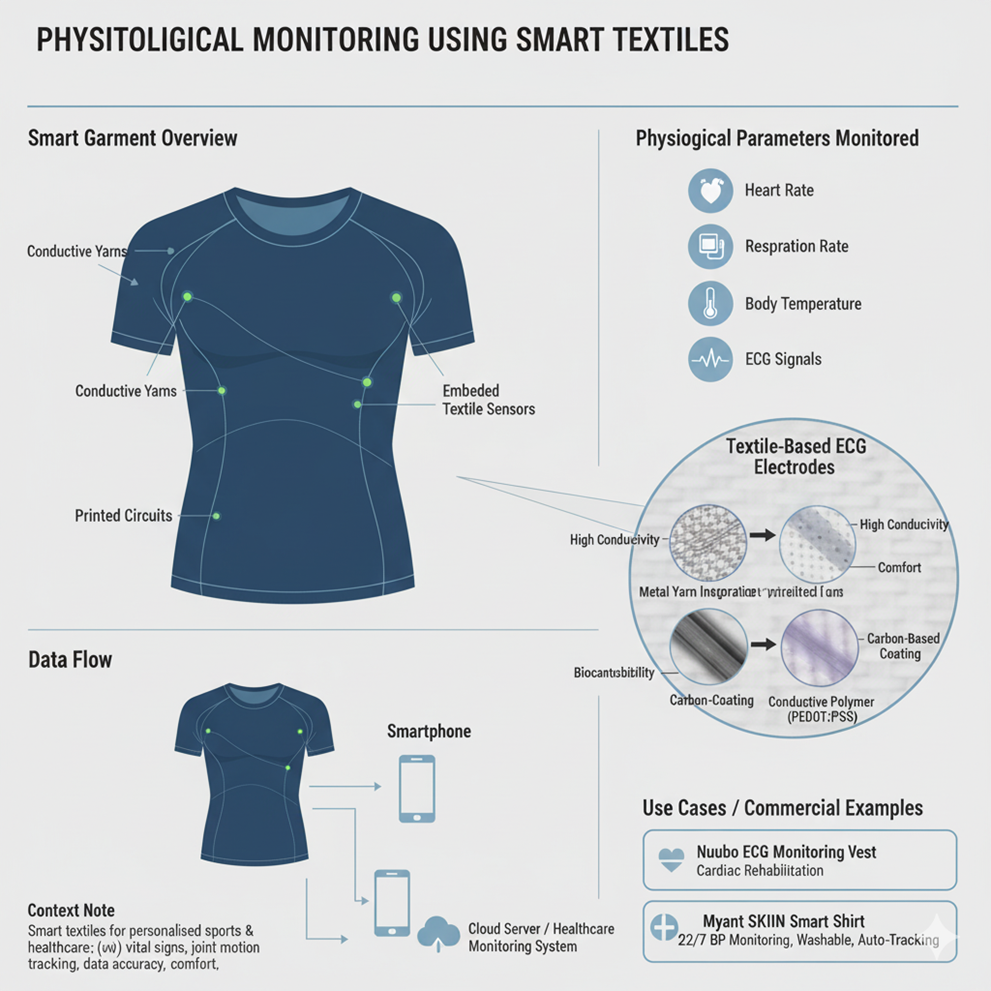
Textile-based ECG electrodes exemplify the potential of e-textiles in healthcare applications. Traditional disposable Ag/AgCl electrodes require gel to reduce skin-electrode impedance, which can cause discomfort during long-term monitoring. In contrast, textile electrodes can be made conductive through integration of metal yarns, coating with metal nanoparticles, coating with carbon materials, or coating with conductive polymers such as PEDOT:PSS. These electrodes satisfy critical requirements, including high conductivity, aesthetics, comfort, conformal skin-electrode contact, and biocompatibility.
Commercial examples include Nuubo’s garment-based ECG Monitoring System, a vest with embedded electrodes that track and assist patients in cardiac rehabilitation. Myant’s SKIIN blood pressure monitoring shirt provides washable, continuous 24/7 monitoring with automatic data tracking, and the company is developing biometric clothing for remote patient monitoring of various conditions.
Remote Patient Monitoring and Telemedicine
The integration of smart textiles with wireless communication technologies and cloud platforms enables real-time health monitoring and analysis, facilitating telemedicine and remote patient care. This capability is particularly valuable for elderly safety, chronic disease management, and post-hospitalisation recovery monitoring.
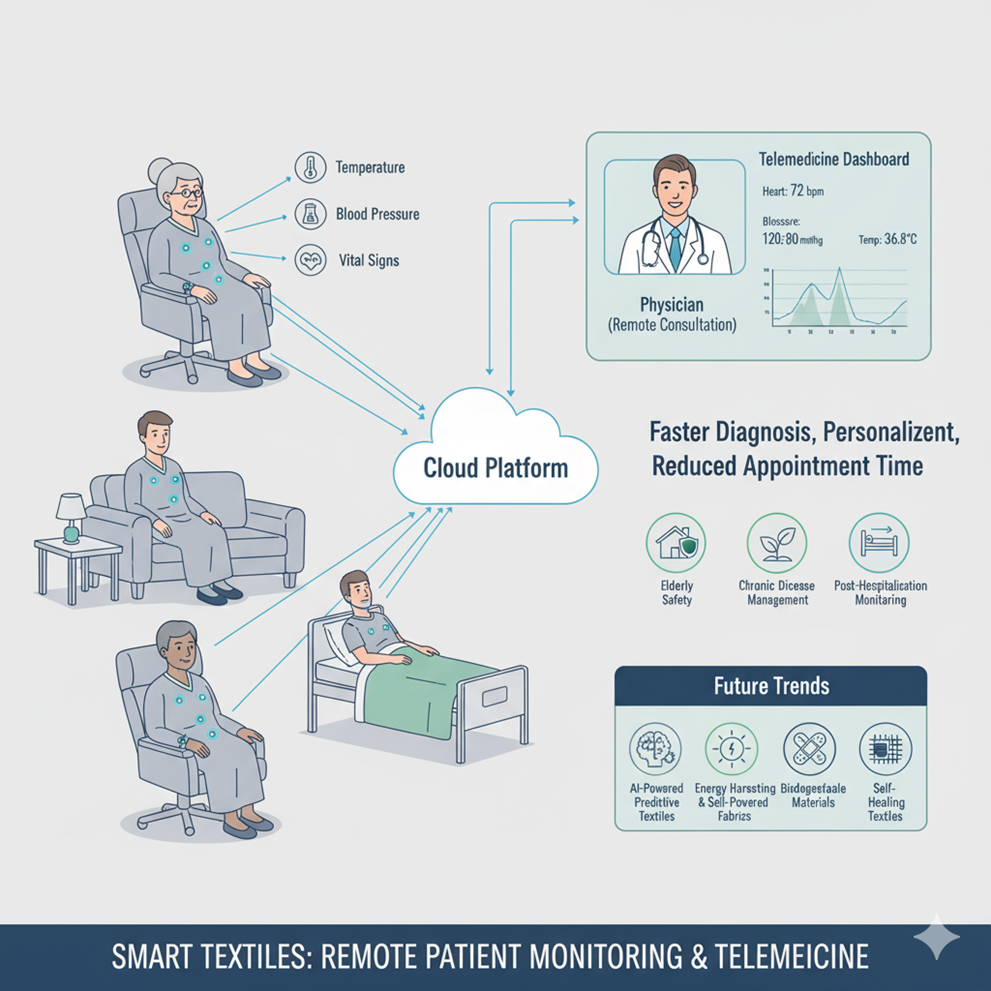
E-textiles can be embedded into patient gowns to measure temperature, heart rate, and blood pressure before physicians enter the room, decreasing appointment time, speeding up diagnosis, and leaving more time for addressing patient concerns. This technology provides improved quality of care, especially in remote patient monitoring scenarios where medical wearables can be programmed to meet specific patient needs, enabling more individualised treatment
A 2025 publication emphasised that future trends focus on AI enhancement to enable predictive textiles, the development of energy harvesting to achieve self-powered textiles, and the creation of biodegradable and self-healing fabrics. Research in these areas and standardisation play an important role in realising the full potential of smart textiles in personalised healthcare.
Sports and Performance Enhancement
Smart textiles are revolutionising athletic performance monitoring and training optimisation by providing real-time biometric feedback during physical activity. These systems track parameters such as muscle activity through electromyography (EMG), joint angles, movement patterns, fatigue levels, and hydration status.
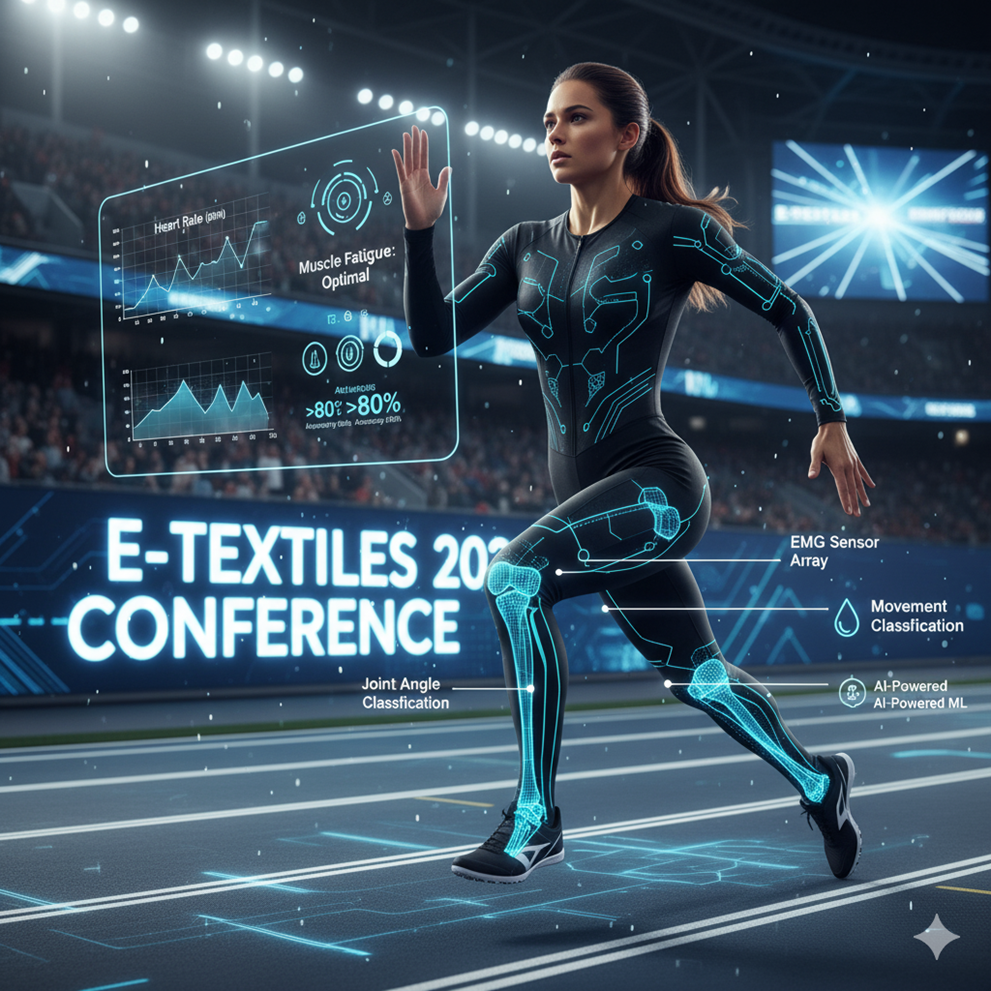
Recent research presented at the E-Textiles 2025 conference demonstrated fully knitted EMG systems for movement classification, achieving accuracy higher than 80% using machine learning techniques, including k-nearest neighbours and neural network classifiers. Despite challenges with motion noise due to the elasticity of the knit, the results demonstrate the feasibility of using knitted systems for movement classification with potential applications in healthcare, sports, and human-computer interfaces.
Smart garments enable athletes to detect fatigue patterns, optimise training regimens, prevent injuries, and maximise performance outcomes. For instance, wearable technology in the form of smart garments can track heart rates or detect fatigue in athletes. As technology becomes more advanced and affordable, its applications expand into everyday clothing and industrial uses.
Challenges and Future Directions
Despite remarkable progress, smart textiles face several critical challenges that must be addressed for widespread commercialisation and adoption.
Durability and Washability
Maintaining electronic functionality through repeated washing cycles remains a significant challenge. Textile substrates must withstand mechanical stress, chemical exposure from detergents, water immersion, and temperature variations while preserving conductivity and sensing capabilities. Recent advances in encapsulation technologies and flexible electronics have enhanced washability, but further innovation is required to meet the durability expectations of conventional textiles.
Energy Supply and Management
Powering smart textiles sustainably poses another significant challenge. Current approaches include integration of flexible batteries, energy harvesting systems (such as triboelectric, piezoelectric, and photovoltaic elements), and wireless power transfer. Research trends emphasise the development of self-powered textiles through energy harvesting technologies that capture body heat, movement, or ambient light to power embedded electronics.
A 2024 review in ACS Applied Electronic Materials highlighted recent advances in textile-based flexible power supplies, including fibre batteries and various energy harvesting methods, pointing to problems in energy supply stability, life cycle, sustainability, and safety as key areas requiring further development.
Data Privacy and Regulatory Frameworks
As smart textiles collect intimate physiological and behavioural data, ensuring data privacy, security, and compliance with healthcare regulations becomes paramount. Establishing standardised protocols for data handling, storage, transmission, and sharing while protecting user privacy remains an ongoing challenge requiring collaboration between technologists, policymakers, and ethicists.
Cost and Manufacturing Scalability
Current manufacturing processes for smart textiles often involve complex, multi-step procedures that increase production costs. Developing scalable, cost-effective manufacturing methods compatible with existing textile industry infrastructure is essential for commercial viability. The integration of additive manufacturing technologies, including 3D printing, holds promise for enhancing production efficiency and design flexibility.
Sustainability and Circular Economy
The environmental impact of smart textiles necessitates careful consideration, particularly in terms of recyclability, biodegradability, and resource efficiency. Future innovations must prioritise eco-friendly materials, circular fashion models, and end-of-life management strategies to ensure smart textiles contribute positively to sustainability goals.
The Road Ahead
The future of smart textiles lies in achieving seamless integration of multiple functionalities within comfortable, durable, and sustainable fabric systems. Emerging trends include AI-powered predictive analytics for health monitoring, self-healing materials that repair damage autonomously, biodegradable electronics that minimise environmental impact, and integration with virtual and augmented reality environments.
As research advances and manufacturing costs decrease, smart textiles will transition from niche applications to everyday essentials, fundamentally transforming how we interact with our clothing and environment. The vision of truly intelligent garments that sense our needs, adapt to changing conditions, communicate with digital systems, and enhance our comfort and capabilities is rapidly becoming a reality.
The convergence of nanotechnology, flexible electronics, advanced materials science, and textile engineering promises to unlock unprecedented possibilities for personalised comfort, healthcare innovation, performance optimisation, and human-technology interaction. Smart textiles represent not merely an evolution of clothing but a revolution in how we experience and benefit from the fabrics that surround us daily.
Conclusion
Smart textiles are rapidly transforming from experimental concepts into practical solutions that enhance comfort, health, performance, and everyday living. Powered by breakthroughs in nanomaterials, sensing technologies, shape-memory systems, and textile-embedded electronics, these fabrics are evolving into intelligent platforms capable of monitoring our bodies, adapting to environmental changes, and connecting seamlessly with digital ecosystems.
As third-generation e-textiles push functionality down to the fiber level, the possibilities for personalised healthcare, athletic optimisation, immersive digital interaction, and sustainable innovation continue to expand. Challenges remain—particularly in durability, energy management, cost, and data privacy—but ongoing research and technological integration are steadily overcoming these barriers.
Looking ahead, the convergence of AI, flexible electronics, biodegradable materials, and energy harvesting will drive smart textiles toward truly self-sustaining, predictive, and environmentally responsible systems. Ultimately, smart textiles represent more than an upgrade to traditional fabrics—they signal a new era where clothing becomes an intelligent partner in enhancing our comfort, safety, and quality of life.
References:
Castano, L. M., & Flatau, A. B. (2014). Smart fabric sensors and e-textile technologies: A review. Smart Materials and Structures, 23(5), 053001. https://doi.org/10.1088/0964-1726/23/5/053001
Neves, A. I. S., Bointon, T. H., Melo, L. V., Russo, S., de Schrijver, I., Craciun, M. F., & Alves, H. (2015). Transparent conductive graphene textile fibers. Scientific Reports, 5, 9866. https://doi.org/10.1038/srep09866
Xiang, C., Lu, W., Zhu, Y., Sun, Z., Yan, Z., Hwang, C.-C., & Tour, J. M. (2012). Carbon nanotube and graphene nanoribbon-coated conductive Kevlar fibers. ACS Applied Materials & Interfaces, 4(1), 131–136. https://doi.org/10.1021/am201153b
Stoppa, M., & Chiolerio, A. (2014). Wearable electronics and smart textiles: A critical review. Sensors, 14(7), 11957–11992. https://doi.org/10.3390/s140711957
Zhu, L., Zhang, W., Luan, S., Wei, J., Yang, Y., & Miao, J. (2025). Nanomaterials for smart wearable fibers and textiles: A critical review. iScience, 28(8), 113126. https://doi.org/10.1016/j.isci.2025.113126
Zhang, W., Luan, S., Tian, M., Qu, L., Zhang, X., Fan, T., & Miao, J. (2025). Smart wearable fibers and textiles: Status and prospects. Nanoscale, 17, 22733–22762. https://doi.org/10.1039/D5NR02801A
Liu, H. (2025). Sensory interactive fibers and textiles. npj Flexible Electronics, 9, Article 398. https://doi.org/10.1038/s41528-025-00398-4
Diak, V., & Diak, A. (2025). Smart textile as advanced human digital interface in metaverse. The Design Journal, 28(3), 620–638. https://doi.org/10.1080/14606925.2025.2452084
Sharma, S., Pathak, A. K., Singh, V. N., Teotia, S., Dhakate, S., & Singh, B. (2018). Excellent mechanical properties of long-length multiwalled carbon nanotube-bridged Kevlar fabric. Carbon, 137, 104-117. https://doi.org/10.1016/j.carbon.2018.05.017
Guo, H., Dong, C., Han, Q., Jiang, H., Sun, H., Sun, X., Zhang, S., & Peng, H. (2025). Advancing carbon nanotube fibers: Addressing challenges from production to application. ACS Central Science, 11(6), 855-867. https://doi.org/10.1021/acscentsci.5c00155
Sultan, N., Nazir, M., Khan, U. Z., & Subhani, T. (2021). Multiscale composites of Kevlar fibers and carbon nanotubes in epoxy matrix. American Journal of Nano Research and Applications, 9(2), 9–15. https://doi.org/10.11648/j.nano.20210902.11
Read More
- Recent Advancements in Weaving Technology
- Wyzenbeek vs Martindale: Fabric Test Comparison
- Differences Between SAM and SMV in Garment Manufacturing
- Exploring the Future: Smart Textiles and Their Influence on Technological Innovation
- China’s Cotton Topping Robot: Revolutionizing Xinjiang’s Fields at 10x Speed
- Smart Garments for Elderly Health Monitoring and Active Living
- Call for Submissions: Share Your Expertise in Textile and Apparel
- Redesigning the Breath of Life: A Next-Gen N95 That Filters More Than Air
- History and Development of Suture
- Different Blending methods with their advantages and disadvantages
- The methods of measuring the thermal insulation and water vapor permeability of fabrics
- Six Sigma: A Comprehensive Guide to Process Excellence
- Transforming Textiles with Nanotechnology: Applications and Advances
- The Science and Innovation Behind Waterproof Breathable Fabrics
- Classification of Protective Textiles
538betlogin is another option that offers many sports. So it is worth trying if you’re looking to expand into other options. Check this website out: 538betlogin
X03game offers an array of cool games. Worth a look if you’re ever bored. Take a peek at this link: x03game
Thanks on your marvelous posting! I genuinely enjoyed reading it, you can be a great author.I will always bookmark your blog and will come back later on. I want to encourage that you continue your great writing, have a nice afternoon!
Thank You
Been playing at swerte777 recently!. The website seems to have different kind of games I haven’t seen anywhere else, so that’s refreshing. Worth a look if you’re after something new: swerte777