From Waste to Wearables: The Evolution of Acoustic Textiles
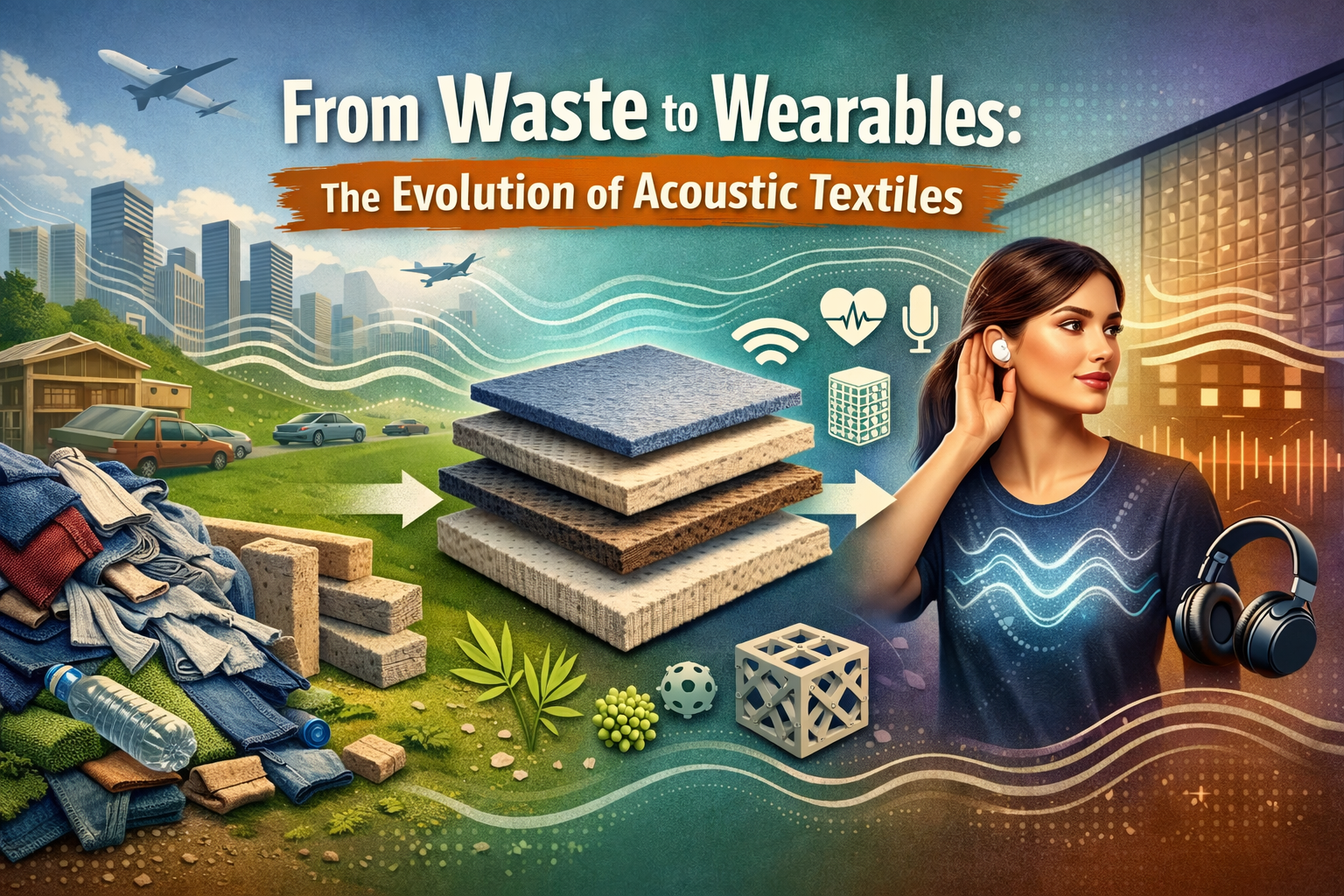
Introduction: Noise pollution has escalated into one of the most pervasive environmental challenges of the 21st century. Rapid urbanisation, the densification of transport networks, and industrial expansion have subjected populations to chronic exposure to unwanted sound. Beyond mere annoyance, prolonged noise exposure is linked to severe health outcomes, including sleep disturbance, cardiovascular stress, and reduced … Read more
Introduction to Weaving and Shuttle Looms

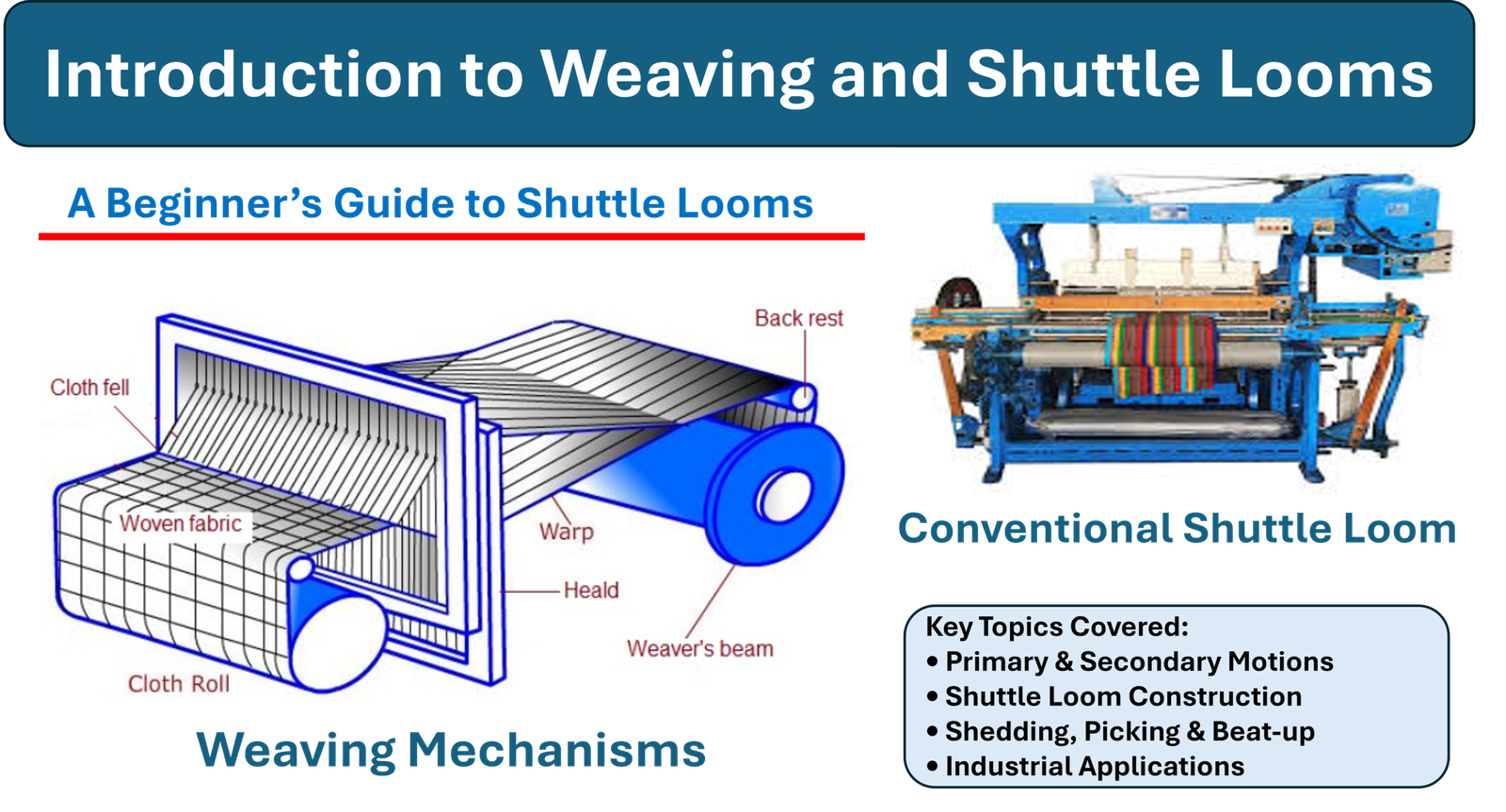
Introduction to Weaving and Shuttle Looms

1. Introduction Weaving is one of the oldest and most fundamental methods of fabric formation in textile engineering. At its core, weaving involves the systematic interlacing of two distinct sets of yarns, warp (lengthwise) and weft (crosswise), to produce a stable and durable fabric structure. Although weaving techniques date back thousands of years to early … Read more

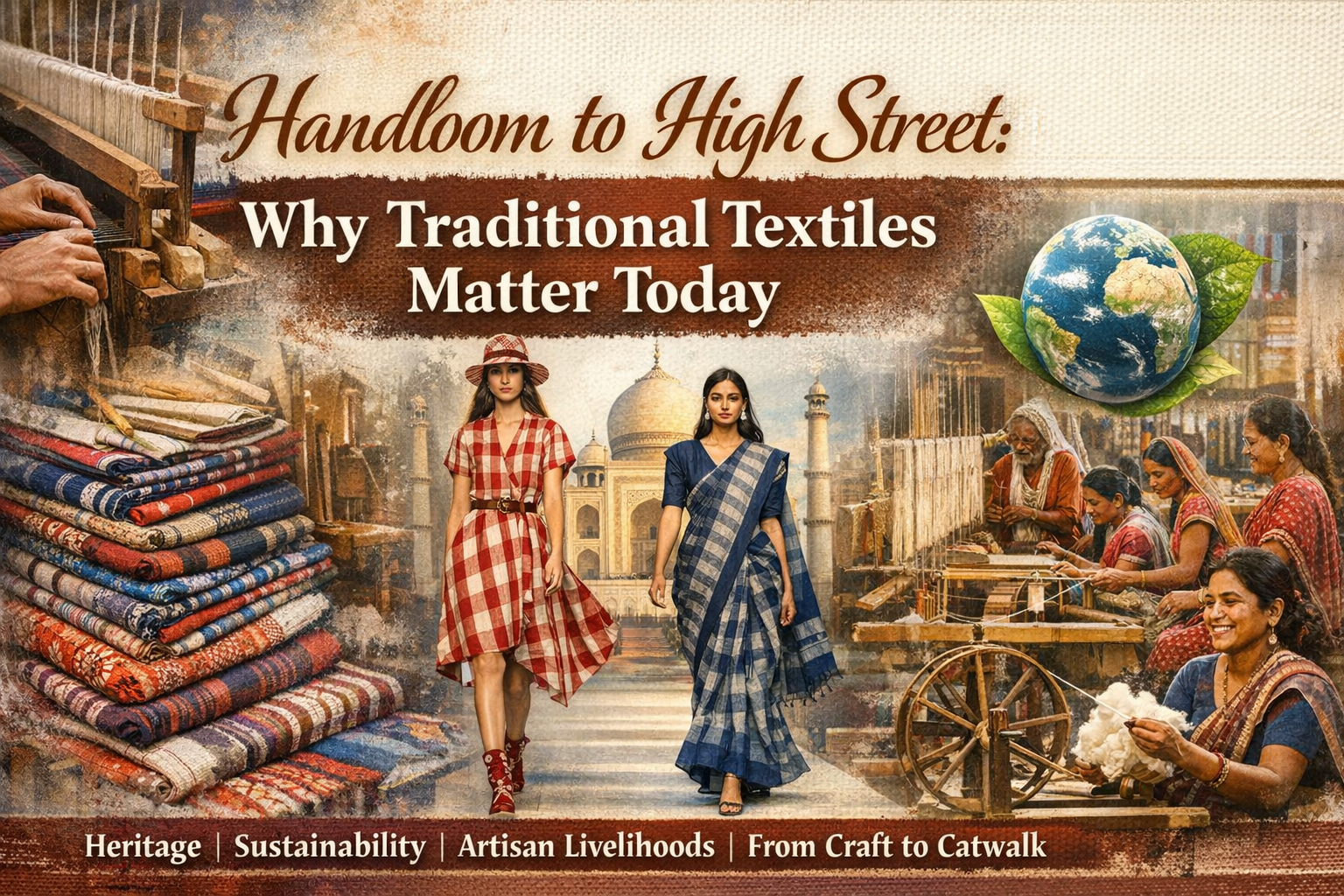
Handloom to High Street: Why Traditional Textiles Matter Today

Introduction: Traditional and handloom textiles encompass a wide range of woven, dyed, and embellished fabrics produced on non-mechanized looms using regionally embedded skills and knowledge systems. These textiles historically served everyday, ceremonial, and status functions in local communities but are increasingly visible in contemporary silhouettes, designer collaborations, and even global trend forecasts. For students and … Read more

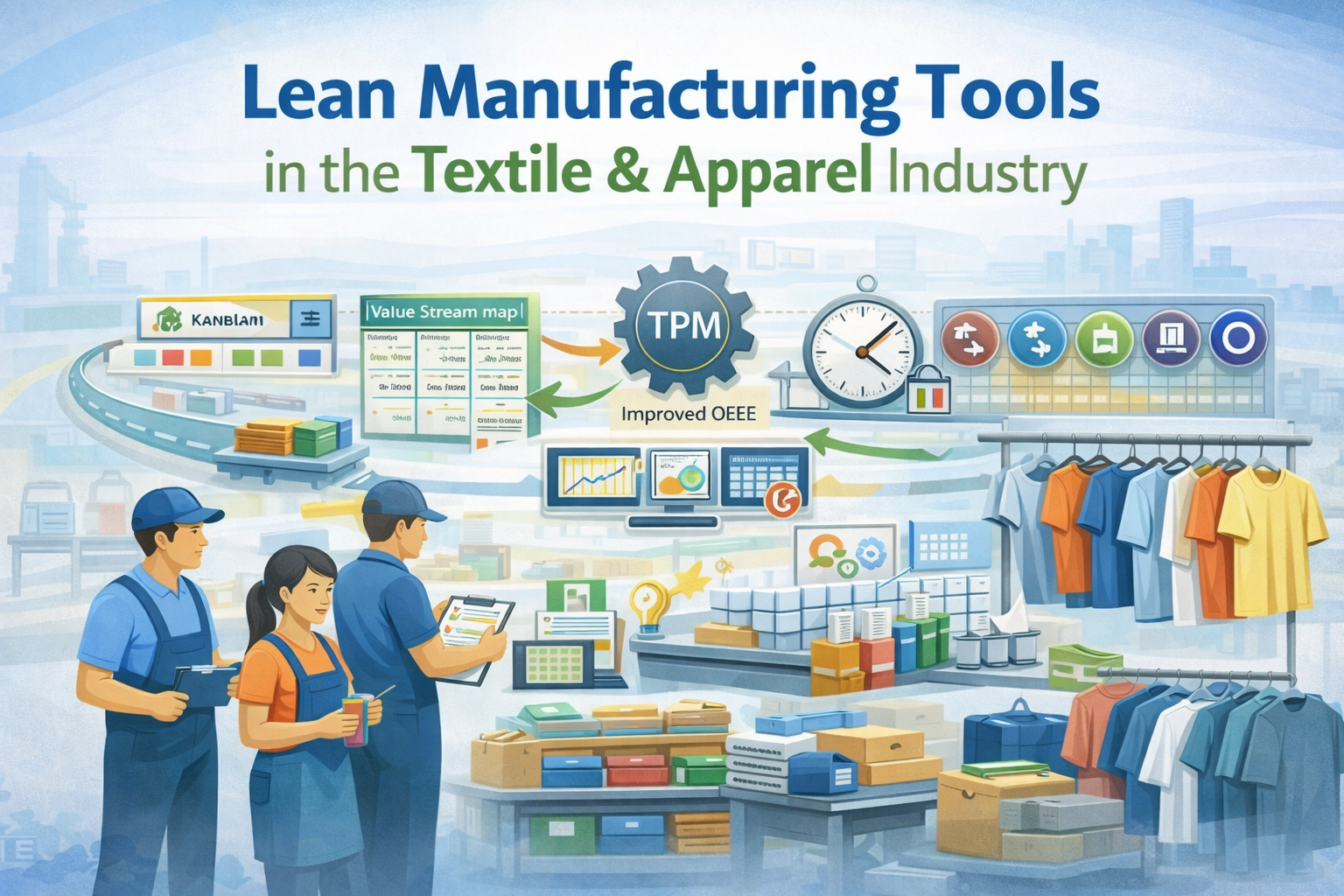
Lean Manufacturing Tools in the Textile & Apparel Industry

Introduction: The textile and apparel industry operates in one of the most complex manufacturing environments globally. High product variety, short fashion cycles, labour-intensive processes, strict quality requirements, and increasing pressure for cost efficiency and sustainability make operational excellence a constant challenge. Manufacturers are expected to deliver high-quality products at competitive costs, while simultaneously reducing lead … Read more

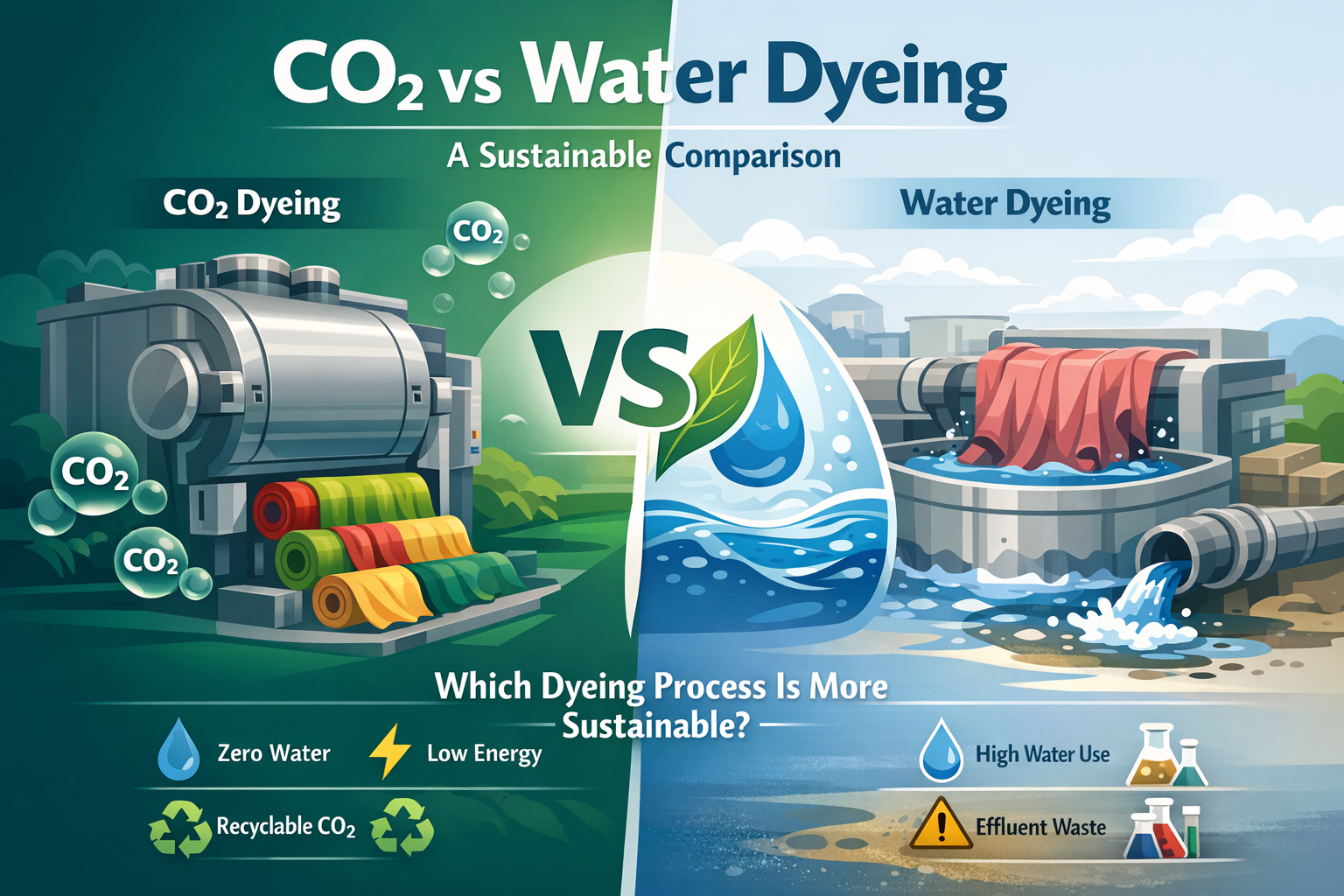
COâ‚‚ vs Water Dyeing: A Sustainable Comparison

Introduction Textile dyeing is the process of introducing colour into fibres, yarns, or fabrics using dyes, auxiliaries, water or other media, and controlled conditions of time, temperature, and mechanical action. Conventional dyeing relies on water as the primary medium, whereas emerging technologies, such as supercritical COâ‚‚, utilise compressed carbon dioxide as a solvent to carry … Read more